

Stay Informed
Lancs Industries Blog - The Radiation Post
Our blog covers topics relevant to the nuclear industry, from radon and radioactive decay to cosmic radiation and how to dispose of radiation waste. Don’t see a topic you’re looking for? Let us know
Lancs Industries Welcomes Industry Veteran to Executive Team
We are proud to announce that Charles Melcher has joined Lancs Industries as our new Chief Executive Officer. With a distinguished background in industrial operations, clean energy, and defense, Charles brings a powerful combination of leadership, innovation, and mission-driven focus to guide Lancs into its next era of growth. A Legacy of Protection, A Future of Innovation For over 50…
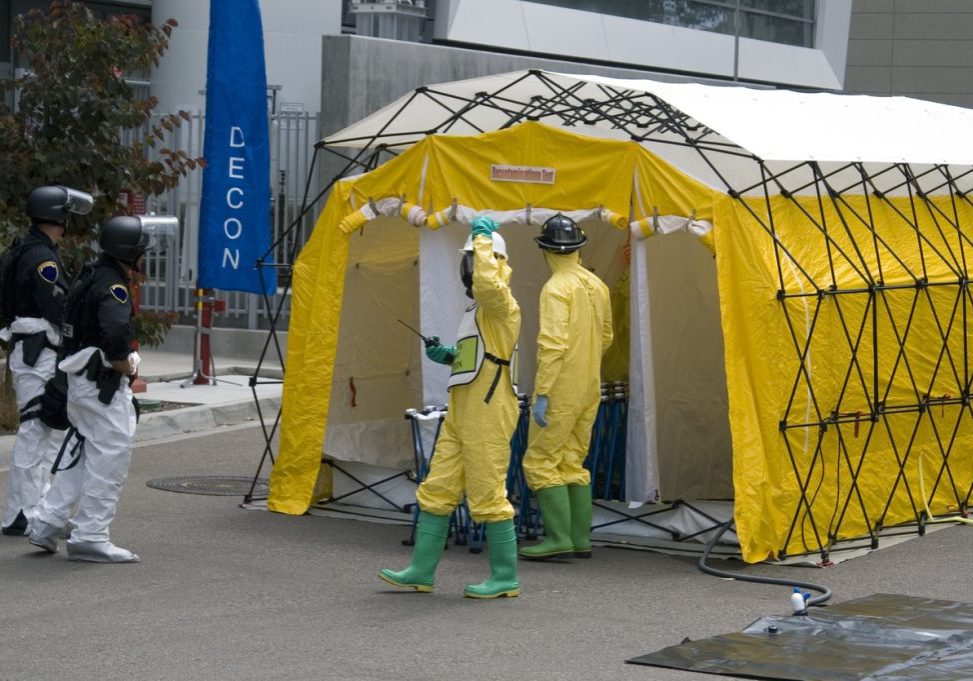
How to Select the Right Radiation Shielding for Your Industry
Choosing the right radiation shielding is essential for maintaining safety, regulatory compliance, and operational efficiency in hazardous environments. With over 50 years of experience, Lancs Industries has become North America’s leading manufacturer of radiation shielding and containment products. Our extensive range of solutions is specifically designed to meet the varied needs of different industries, from…

The Science Behind Radiation Shielding: How Our Products Protect You
At Lancs Industries, protecting workers from hazardous radiation exposure has been our core mission for over 50 years. As North America’s premier manufacturer of radiation shielding and containment products, we apply proven scientific principles to engineer solutions that keep radiation exposure and contamination spread to an absolute minimum. Our products help uphold the ALARA (As…
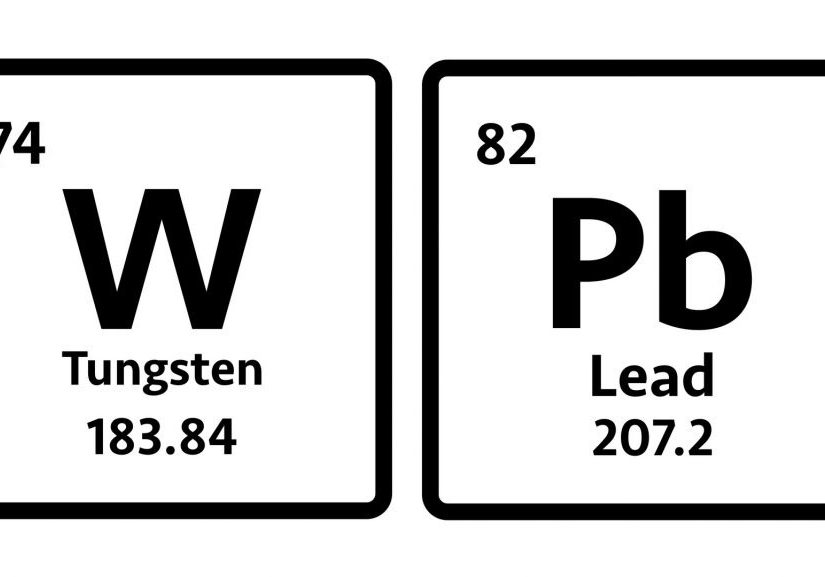
Tungsten vs Lead: The Benefits of Each
When it comes to radiation protection, selecting the right shielding material is crucial to ensure safety and compliance. Two of the most commonly used materials are tungsten and lead, each offering distinct advantages depending on the application. Tungsten: The Modern Choice for Precision and Safety Tungsten shielding is highly valued in applications where precision is…
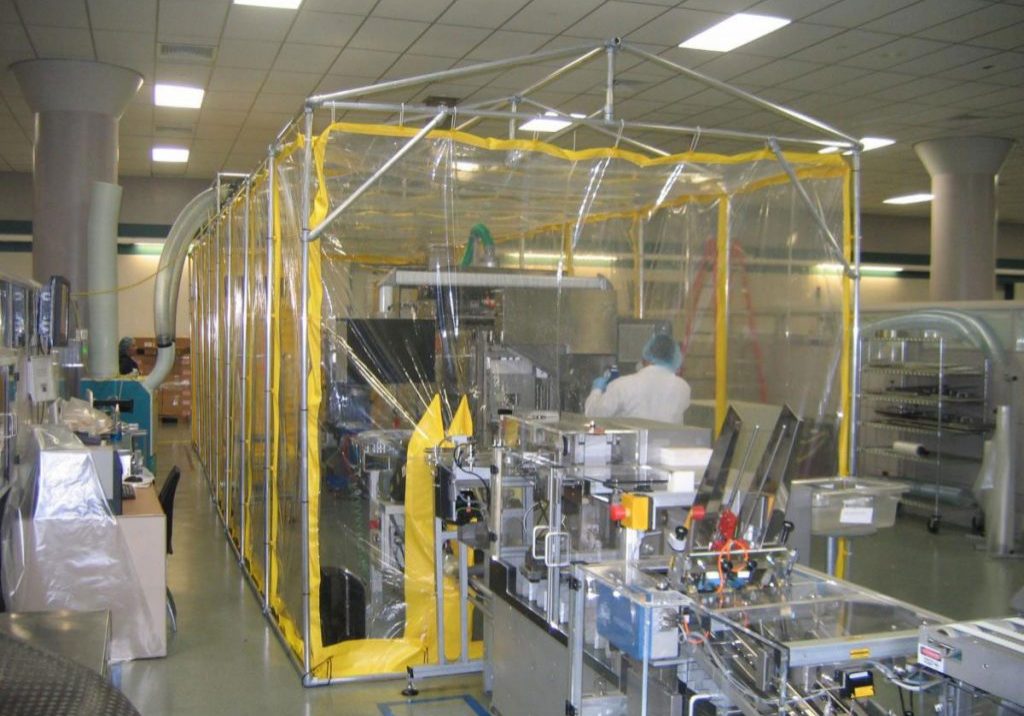
Best Practices for Pharmaceutical Containment Maintenance
In the pharmaceutical industry, maintaining the integrity of containment systems is not just a regulatory requirement; it’s a crucial component of ensuring the safety and efficacy of your products. Pharmaceutical containment systems are designed to control the exposure of products and personnel to unwanted contaminants and conditions. Proper maintenance of these systems, such as pharmaceutical…
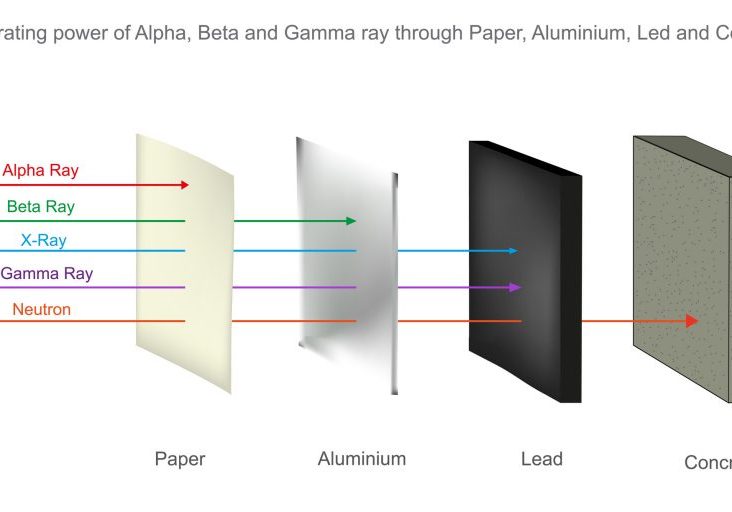
Understanding Gamma and Alpha Radiation
Radiation protection is a critical need in industries and environments where exposure to radioactive materials is a risk. Two of the most common types of radiation are gamma and alpha radiation, and each presents unique challenges that require specific protective measures. By taking the time to understand the differences between gamma and alpha radiation and…
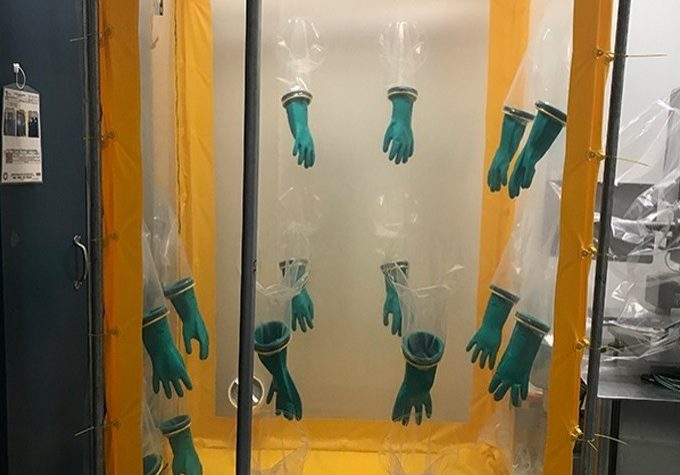
Frontida Case Study
In 2019, Lancs Industries began a supplier partnership with Frontida BioPharm Inc. (Frontida was subsequently acquired by Adare Pharma Solutions in 2021.) Lancs worked with Frontida to conceive, design, and manufacture numerous containment products that are used to protect personnel during the manufacturing and production of its oral pharmaceutical formulations. Site-Specific Pharmaceutical Containment Products Using…
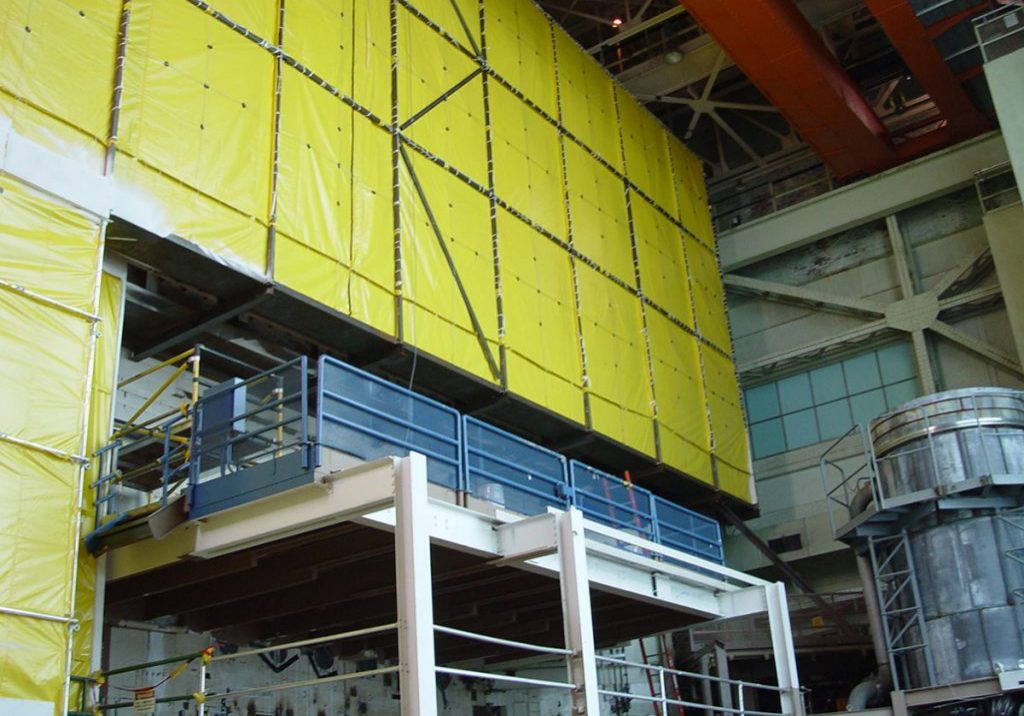
Lancs Industries Move to Albuquerque
Lancs Industries’ Move to Albuquerque Paves Way for Unprecedented Growth Lancs Industries’ 2021 relocation from Kirkland, Washington, to Albuquerque, New Mexico, marked an exciting new chapter focused on expanding production capacity and national growth. This strategic move, while challenging, positioned Lancs Industries for immense business success over the next decade and beyond. As President Lewis…

Visit Lancs Industries at the Contract Pharma Conference September 21-22!
Lancs Industries will be an Exhibitor at and Sponsor of the 22nd Annual Contract Pharma Contracting & Outsourcing Conference September 21-22, 2023 at the Hyatt Regency Hotel in New Brunswick, New Jersey. Please stop by booth #61 to see the latest innovations in custom pharmaceutical containment and isolation manufacturing and learn about our products for manufacturing efficiency and workplace…